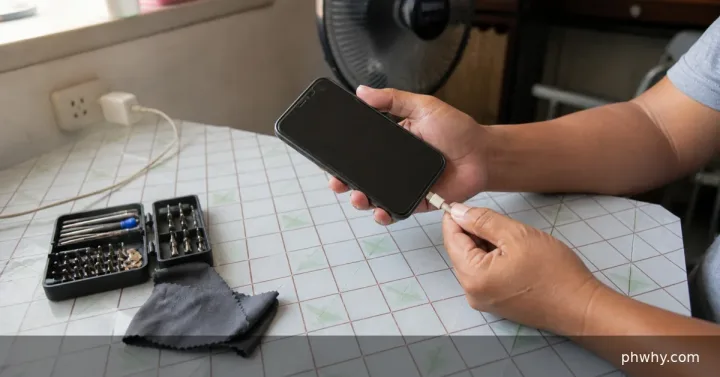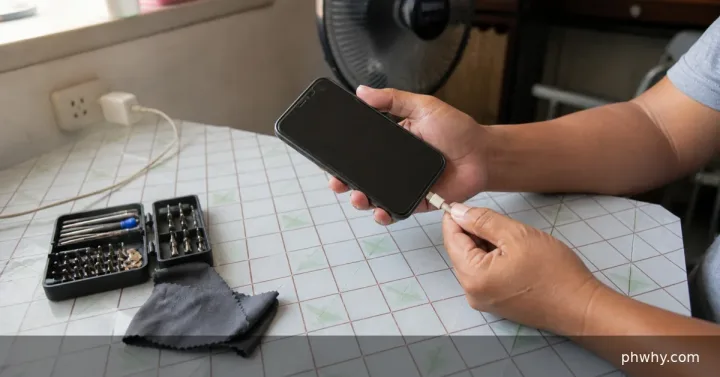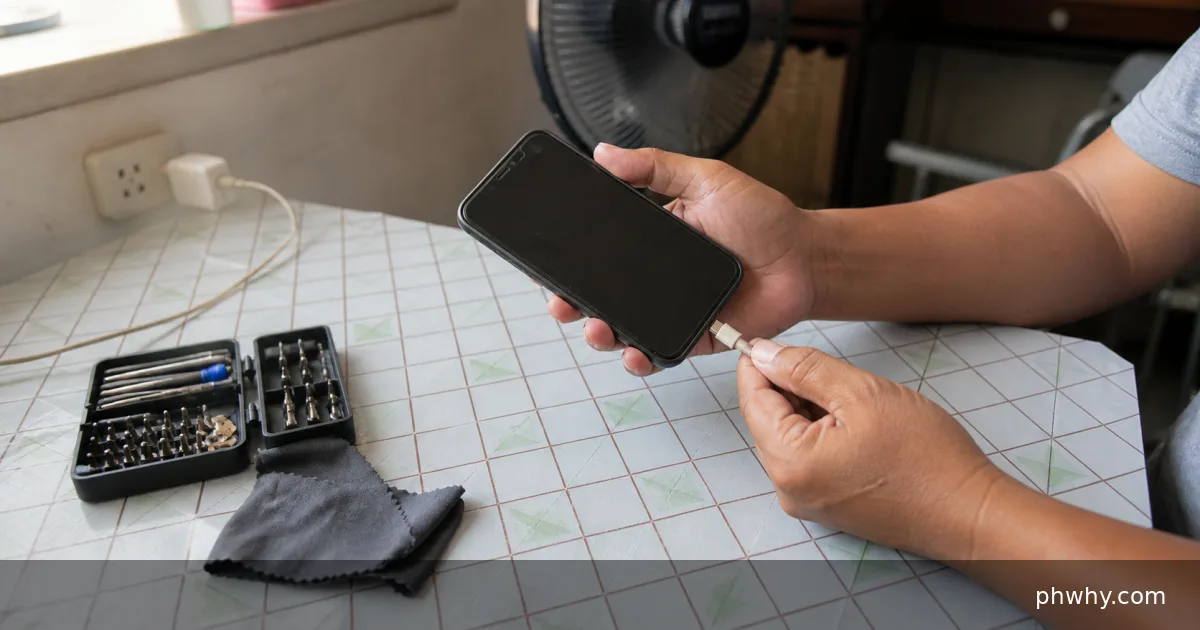
Use a known-good certified cable and suitable power adapter, clean the port carefully, let the phone cool, and check Battery settings. Slow charging is often caused by weak power, heat, debris, or battery-protection features.
Start with the checks below in order. They move from safe, reversible fixes to more involved action, so you can stop as soon as the problem is solved. Menu names can vary by model and software version; if a label is different, search Settings for the closest term.
Before you start
Save unfinished work, connect to reliable power when appropriate, and write down any exact error message. Do not delete data, factory-reset a device, or disclose a password merely to test a theory. If the device is hot, swollen, wet, sparking, or smells unusual, disconnect it safely and seek qualified service.
Step-by-step fix
- Check the charging icon and battery screen. Check the charging icon and battery screen. Do this first so later tests have a clean starting point and you do not change several variables at once.
- Try another certified cable and wall adapter. Try another certified cable and wall adapter. Observe exactly what changes. That result helps separate an account, device, network, or accessory problem.
- Inspect the port with the phone off. Inspect the port with the phone off. Use only the built-in control or the manufacturer’s official instructions. Keep credentials and recovery information private.
- Remove a heat-trapping case. Remove a heat-trapping case. Retest the original problem immediately. If it returns, note the time, message, and conditions before continuing.
- Restart and install stable iOS updates. Restart and install stable iOS updates. Keep this change only if it solves the issue without creating a new security, battery, or data problem.
After each step, repeat the smallest test that originally failed. Changing one thing at a time makes the successful fix clear and prevents unnecessary resets.
Why this happens
Low-power USB ports, damaged cables, compacted lint, high temperature, background activity, and optimized charging can reduce charging speed.
The visible symptom does not always identify the failing part. A device can show a normal connection while an upstream service is unavailable, and an app can appear broken when its account session or permission has expired. Comparing one other device, account, accessory, or network is often the fastest way to isolate the layer at fault.
How to confirm the fix
Repeat the same action at least twice, then use the device normally for a reasonable period. Check that the solution did not disable an important protection, consume unusual data, reduce battery life, or sign you out of a service you still need. Keep any screenshots or error details until the issue stays resolved.
Voltage can vary in some locations. Use a reputable surge protector and avoid unbranded adapters sold without safety markings.
When to get more help
Contact the manufacturer, app provider, carrier, ISP, bank, or a qualified repair professional when the same failure continues after the safe checks, when an account is locked, or when hardware safety is involved. Provide the model, software version, exact error, when it began, and the tests that passed or failed. Remove passwords, OTPs, complete account numbers, IDs, and private messages from screenshots.
How to reduce repeat problems
- Install stable updates from official sources and keep enough free storage.
- Back up important data and keep recovery details current.
- Use reputable accessories, unique passwords, and multi-factor authentication.
- Record recurring times, locations, error codes, and environmental conditions.
Editorial note: This guide focuses on safe first-line troubleshooting. Product menus, plan terms, and support processes change, so confirm account-specific details with the responsible provider.