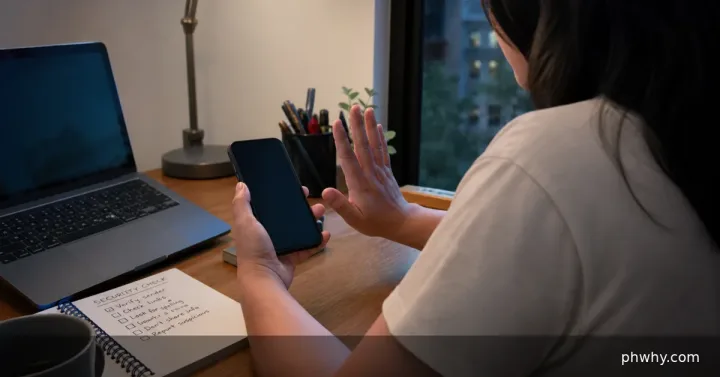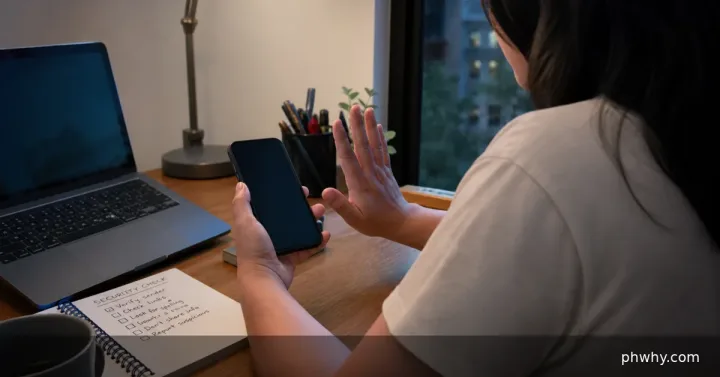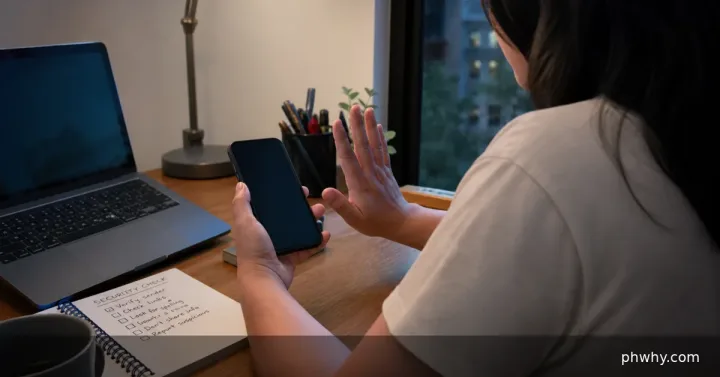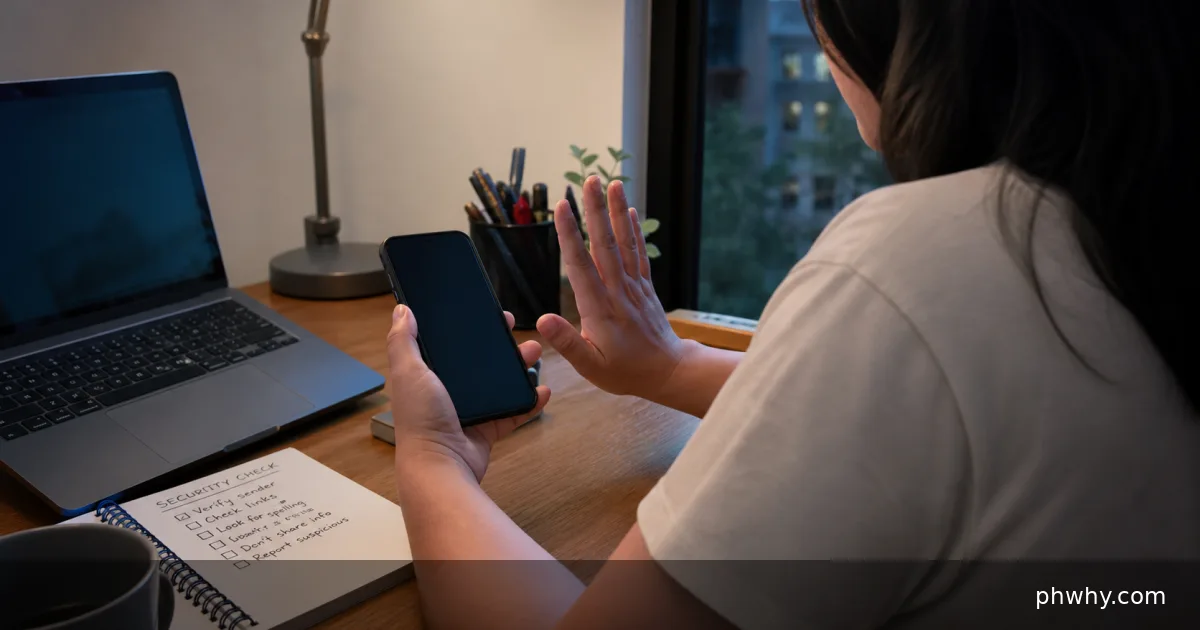
Short answer: An unsolicited code can result from a typing mistake, an attacker testing your account, or a phishing message designed to make you panic. The code alone does not prove that the account was taken over.
This guide uses low-risk checks first, keeps account and personal data protected, and helps you identify whether the problem belongs to the device, app, network, or service.
What usually causes this problem
Do not share the code or click the message link. Open the service directly, review account activity, and change the password only from the official app or website if anything looks wrong. Common causes include:
- Someone entered the wrong email or phone number.
- An attacker knows the account identifier.
- The message is a fake reset notice.
- An old device is trying to sign in.
Change one thing at a time. If several settings are changed together, it becomes difficult to know which step actually solved the problem or created a new one.
Fix it in the safest order
- Do not reply or forward the code. Complete the check, then test the original symptom before moving to the next step.
- Open the official service independently. Complete the check, then test the original symptom before moving to the next step.
- Review recent devices and sessions. Complete the check, then test the original symptom before moving to the next step.
- Change reused passwords to a unique one. Complete the check, then test the original symptom before moving to the next step.
- Turn on two-step verification. Complete the check, then test the original symptom before moving to the next step.
- Secure the recovery email and phone number. Complete the check, then test the original symptom before moving to the next step.
Protect your data while troubleshooting
Do not give the code to a caller or chat agent, even if they claim they are cancelling the request. Back up irreplaceable files before clearing storage, resetting settings, removing an account, reinstalling an app, or formatting a drive. Use official apps and support pages rather than download links sent through pop-ups, comments, or unexpected messages.
For users in the Philippines, also check whether the issue changes between home Wi-Fi and mobile data. Prepaid balance, carrier maintenance, local power interruptions, and ISP outages can resemble a device problem. Avoid repeated resets when the service itself is unavailable.
How to confirm the fix
There are no unknown sessions, recovery details are correct, and later codes stop arriving. Repeat the test after one normal restart. A workaround that succeeds once but fails immediately after reboot is not a complete fix.
When to get official help
Contact the service security team if account details changed or you cannot sign out an unknown device. Before contacting support, note the device model, operating-system version, app version, exact error text, time of failure, and the steps already tested. Never send a password, one-time code, recovery phrase, or full payment-card number.